
"three-layer coffee"
147 article(s) found

The history and usage of siphon pot
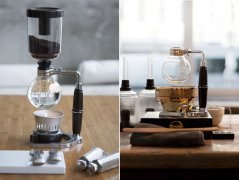
In 1840, a glass test tube in a laboratory triggered the invention of the siphon coffee maker (Syphon). The British took the test tube used in Biya's chemical experiment as a model to create the first vacuum coffee pot. Two years later, Mrs. Bachang of France improved the kettle with a little spring in shape, and the familiar upper and lower convection siphon pot was born. Siphon coffee pot in France
History and usage of siphon pot
The history and usage of siphon coffee (plug-in brewing method) in 1840, a glass test tube in the laboratory triggered the invention of the siphon coffee maker (Syphon). The British took Biya's test tube for chemical experiments as the model to create the first vacuum coffee pot. Two years later, Mrs. Bachang of France improved this pot with a bit of spring shape, which is familiar to everyone.

Siphon pot basic siphon pot history and use method
In 1840, a glass test tube in the laboratory triggered the invention of the siphon coffee pot (Syphon), and the British took Biya as a prototype for chemical experiments to create the first vacuum coffee pot. Two years later, Mrs. Baxiang of France improved the pot with a little spring shape, and the familiar upper and lower convection siphon pot was born. Siphon coffee pot in France

The skill of siphoning coffee in a siphon pot at home
Step 1: select the appropriate thickness of ground beans. The practice of siphon coffee. It is suggested that the thickness of ground beans is close to that of special grains and fine sand. So just buy a small packet of extra granulated sugar and bring it back. A careful comparison of the feel between ground coffee powder and granulated sugar can be directly judged. Step 2: put the filter cloth in the upper seat of the siphon pot. Fix the position of the upper seat and filter cloth, and determine the filter cloth

History and usage of siphon pot siphon coffee
In 1840, a glass test tube in a laboratory triggered the invention of the siphon coffee maker (Syphon). The British took the test tube used in Biya's chemical experiment as a model to create the first vacuum coffee pot. Two years later, Mrs. Bachang of France improved the kettle with a little spring in shape, and the familiar upper and lower convection siphon pot was born. Siphon coffee pot in France
The five cooking methods of coffee the proper water temperature is very important.
All coffee is made from ground coffee and hot water; when it is done, the coffee is cleaned out. The thickness of the minced coffee is related to the cooking method chosen. Proper water temperature is very important. The choice of water temperature is related to cooking utensils, coffee bean species, and the degree of roasting of coffee beans. If the water temperature is too low, the flavor of coffee beans can not be fully extracted.
The history and usage of fine coffee siphon pot
In 1840, a glass test tube in a laboratory triggered the invention of siphon coffee (Syphon). The British took the test tube used in Biya's chemical experiment as a model to create the first vacuum coffee pot. Two years later, Mrs. Bachang of France improved the kettle with a little spring in shape, and the familiar upper and lower convection siphon pot was born. Siphon coffee maker in France
The History and usage of Coffee knowledge siphon Pot
In 1840, a glass test tube in a laboratory triggered the invention of siphon coffee (Syphon). The British took the test tube used in Biya's chemical experiment as a model to create the first vacuum coffee pot. Two years later, Mrs. Bachang of France improved the kettle with a little spring in shape, and the familiar upper and lower convection siphon pot was born. Siphon coffee maker in France
Introduction to the history and usage of siphon kettle
In 1840, a glass test tube in a laboratory triggered the invention of siphon coffee (Syphon). The British took the test tube used in Biya's chemical experiment as a model to create the first vacuum coffee pot. Two years later, Mrs. Bachang of France improved the kettle with a little spring in shape, and the familiar upper and lower convection siphon pot was born. Siphon coffee maker in France
There are five ways to cook coffee what are the ways to make coffee
The cooking of coffee all coffee is made from ground coffee and hot water; when it is done, the coffee is cleaned out. The thickness of the minced coffee is related to the cooking method chosen. Proper water temperature is very important. The choice of water temperature is related to cooking utensils, coffee bean species and the degree of roasting of coffee beans. If the water temperature is too low, the flavor of coffee beans can not be fully extracted.
The History and usage of Fine Coffee basic knowledge siphon Pot
In 1840, a glass test tube in a laboratory triggered the invention of siphon coffee (Syphon). The British took the test tube used in Biya's chemical experiment as a model to create the first vacuum coffee pot. Two years later, Mrs. Bachang of France improved the kettle with a little spring in shape, and the familiar upper and lower convection siphon pot was born. Siphon coffee maker in France

There are five ways to cook coffee according to the contact between water and coffee powder.
All coffee is made from ground coffee and hot water; when it is done, the coffee is cleaned out. The thickness of the minced coffee is related to the cooking method chosen. Proper water temperature is very important. The choice of water temperature is related to cooking utensils, coffee bean species, and the degree of roasting of coffee beans. If the water temperature is too low, the flavor of coffee beans can not be fully extracted.

The History and usage of siphon Pot General knowledge of Coffee Pot
In 1840, a glass test tube in a laboratory triggered the invention of siphon coffee (Syphon). The British took the test tube used in Biya's chemical experiment as a model to create the first vacuum coffee pot. Two years later, Mrs. Bachang of France improved the kettle with a little spring in shape, and the familiar upper and lower convection siphon pot was born. Siphon coffee maker in France
General knowledge of fine coffee brewing coffee in a siphon pot at home
Generally speaking. Siphon coffee will heat the siphon pot in two ways, one is gas, and the other is sprinkling essence. Because of its high firepower and relatively high heating, gas is used by more cafes. In fact, there is a big difference between the two heating methods. Step 1: select the appropriate thickness of ground beans. For siphon coffee, it is recommended that the thickness of ground beans is close to that of special grains and fine sand. So just buy one.

A detailed explanation of the history and usage of the siphon kettle
In 1840, a glass test tube in a laboratory triggered the invention of siphon coffee (Syphon). The British took the test tube used in Biya's chemical experiment as a model to create the first vacuum coffee pot. Two years later, Mrs. Bachang of France improved the kettle with a little spring in shape, and the familiar upper and lower convection siphon pot was born. Siphon coffee maker in France
Coffee common sense that coffee people need to know
1. Coffee is one of the three major beverage crops in the world (coffee, tea and cocoa). Its output ranks first among the three beverage crops and is the second largest raw material product after oil in international trade. Coffee originated in north-central Africa, has been widely distributed in Asia, Africa, Latin America, Oceania and other 76 countries and regions. The global coffee planting area in 2008 is about
Competition result baristas Coffee Competition Chinese baristas import coffee
WBC annual competition result editor 2012 Vienna The birthplace of the coffeehouse was the setting for the 12th World Barista Championship held from 12-15 June 2012. Raul Rodas from Guatemala was crowned the 2012 World Barista Champion. Fifty-four barista
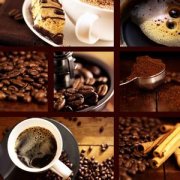
How many ways do you make coffee? The way to make coffee
The quality of ground coffee has a significant impact on the next cooking process. The grinding process should also match the cooking method, which is the key to extracting the best flavor from coffee beans. The cooking method of coffee powder which is in contact with hot water for a long time requires thicker particles. If the coffee powder is too fine relative to the cooking method, the coffee will be too bitter, hard and overcooked.
Coffee brewing technology Coffee brewing methods Share
The quality of ground coffee has a significant impact on the subsequent cooking process. Matching the grinding process with the cooking method is also crucial to extracting the best flavor from the beans. Cooking methods that allow coffee grounds to be in contact with hot water for a long time require coarser particles. If the grounds are too fine relative to the cooking method, the coffee will have a bitter, hard, overcooked taste
Coffee Basic Common Sense Boutique Coffee Brewing Method
The quality of ground coffee has a significant impact on the subsequent cooking process. Matching the grinding process with the cooking method is also crucial to extracting the best flavor from the beans. Cooking methods that allow coffee grounds to be in contact with hot water for a long time require coarser particles. If the grounds are too fine relative to the cooking method, the coffee will have a bitter, hard, overcooked taste